What is the Best CRM Software For Small Businesses?


There's no denying that small-business CRM is no longer a luxury; it's now a necessity. Businesses use CRM software to manage customer relationships, increase sales, and facilitate business growth. Do you know how many times you've lost a lead, missed an opportunity by forgetting to follow up, or felt like you couldn't find customer details from a specific interaction? You are certainly not alone in this.
Businesses using CRM platforms are reported to see sales productivity increase by up to 30 percent and customer retention improve. The improvements this brings to business growth and revenue for a small business competing within a busy market could potentially be enormous.
The decision now should not be whether you need CRM, but which system is right for you. With hundreds of different applications, it is easy to feel overwhelmed. This guide will look at the best CRM software for small businesses in 2026, the advantages of implementing a CRM system, how to choose the right CRM, and key factors to consider.
What is CRM software?
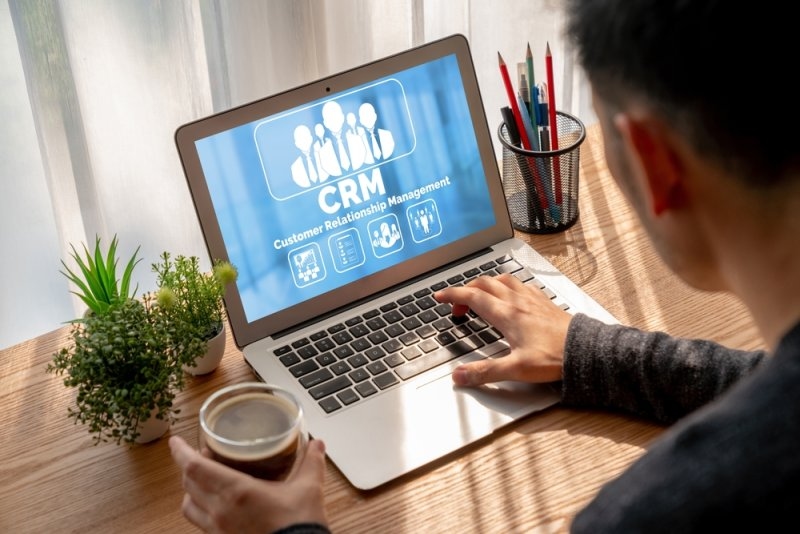
CRM stands for customer relationship management.
CRM software helps businesses organize contacts, store client interactions, manage potential sales opportunities, and automate everyday tasks. Instead of keeping details of each customer on spreadsheets, emails, and notebooks, the CRM system consolidates this data into one easy-to-access system, thereby enhancing relationships with customers and increasing quality of service.
Advantages of using CRM software
Benefits of using CRM software span every point in the customer's journey. A few benefits are listed below:
Better Customer Organization
Customer data is easily stored and accessible to any team member. Sales representatives gain immediate access to communication logs, purchase history, and account details at a glance.
Improved Sales Performance
CRM tools help companies to effectively manage leads through the entire sales pipeline. Automation ensures missed opportunities are not missed due to follow-up reminders.
Stronger Customer Retention
It costs much less to retain a customer than to acquire a new one. CRM helps to stay in touch with clients and provides individual service.
Higher productivity
The system's automation reduces simple administrative duties. Therefore, teams spend more time with clients and less on entering details.
Try This: Best Cost Reduction Strategies: A Guide for Every Business
Best CRM Systems for Small Businesses in 2026
These CRM systems have been highlighted for their ease of use, scalability, and value. Here is the following:
Salesforce Starter Suite
Salesforce remains one of the leading CRM companies today. Their small-business product integrates lead management, contact tracking, reporting, and automation tools for businesses looking to grow.
HubSpot CRM
This is popular amongst small businesses and startups due to its free features, including contact management, email tracking, deal pipeline management, and marketing integration. This package is highly scalable if needs progress beyond basic requirements.
Zoho CRM
Affordable yet efficient, Zoho offers automated workflows, AI-generated insights, lead scoring, customer analytics, and much more. This CRM software is a fantastic option for businesses operating on a limited budget.
Pipedrive
Pipedrive emphasizes sales pipeline management. Their highly visual platform will allow sales teams to monitor all sales opportunities and manage deal progression extremely efficiently. Small businesses love its user-friendly interface.
Freshsales
Freshsales not only has CRM capabilities but also includes communication tools. It's easy for users to manage leads and automate workflows and customer interactions. Built-in AI also generates valuable sales insights.
How CRM Improves Customer Retention And Sales Performance?
A major reason businesses implement this software is its impact on maintaining strong customer relations. A CRM allows the system to:
- Keep a record of each interaction with the customer
- Allow for personalizing messages sent to each client
- Identify up-selling and cross-selling opportunities
- Ensure quick and efficient issue resolution
- Minimize response times
Studies suggest that personalizing customer interactions significantly increases customer loyalty and lifetime value. Even minor changes can significantly affect a small business's bottom line when it comes to retention.
Choosing the Right CRM System
The perfect CRM system will differ greatly depending on the size and demands of each business. The most important factors that should influence this choice are the following:
Clearly Defined Business Objectives
First, understand your business's ultimate goals. Whether that's lead management, customer support, or sales automation.
Ease of Use
The system should simplify operations. Search for an intuitive interface and simple processes.
Integration capacity
Consider whether your existing software can connect to the CRM, including email providers, accounting software, and any marketing systems you use.
Reporting features
With accurate reporting, you will make effective business decisions. Identify systems that provide clear visibility into sales progress, customer behavior, and workforce efficiency.
Future Growth of your Business
Look for a CRM that can handle more customers, users, and business procedures in the future. The system should be adaptable.
Must Try: How to Create a Customer Focus Strategy for Brand Loyalty
Free vs. Paid CRM Options
Many CRM systems offer a free service that may be suitable for startups and smaller companies that require a basic service. A free CRM system typically comes with
- Contact management
- Deal tracking
- Basic reporting features
- Email integration
A paid version, however, will provide additional services such as the following:
Advanced automation features
- AI-powered analytics
- Custom reports
- Enhanced security protocols
- Greater capacity for future scaling.
It is possible that paid CRM solutions can prove to be a more long-term investment.
Mistakes to Avoid When Implementing a CRM
It is important that implementing a CRM goes beyond simply purchasing the software:
- Don't buy a system that you don't require.
- Don't forget to train your employees properly.
- Ensure the data you are inputting is accurate and precise.
- Ensure you have defined clear objectives for the CRM system.
- Don't overlook automation features.
The overall success of your CRM system depends directly on how well your staff uses it, so integration is critical.
Conclusion
The small business CRM has evolved from an attractive option to a necessary tool for retaining customers, closing sales, and advancing the business. In 2026, leading small-business CRM solutions offer functionality that makes them easy to use, along with useful automation, scalability, and reporting.
It's important for any small business to weigh its needs, budget, and projected future growth before making a final decision on the CRM it will adopt. To stay updated on business technology, productivity tools, and growth strategies, BusinessKnows.com offers practical advice for small businesses.
Frequently Asked Questions
How Long Does CRM System Implementation Take?
The time it takes varies depending on the size and needs of the business. A cloud-based CRM system can be implemented within a few days for smaller companies, while larger companies require a more detailed system setup, including data migration, configuration, employee training, and system integration, which could take several weeks.
Can Crm Software Be Used by Service Businesses?
Yes. A CRM system is highly valuable to service-based businesses such as healthcare providers, contractors, agencies, and consultants. Client details are easily stored, follow-ups are scheduled, tasks are logged, and appointments are arranged, improving customer service quality. Automation can be utilized to streamline workflow in these scenarios.
Is CRM Software Ideal for Solo Entrepreneurs?
Absolutely. Solo entrepreneurs have multiple tasks to juggle, and a CRM system helps in organizing client details, tracking potential sales, automating reminders and customer communication, allowing a better quality of service and sustainable business growth. A basic CRM system is often perfect.
This content was created by AI