What are the Best Marketing Strategies for Small Businesses?


Quick Takeaways
- A smart marketing strategy lets small businesses hold their own without draining their bank accounts.
- Digital platforms make it easier-and cheaper-than ever to bring in new customers, and you can actually track what's working.
- Content marketing and SEO build up long-lasting traffic to your site, not just quick bursts. Social media, meanwhile, isn't just noise; it's about building trust, getting people talking, and letting your brand feel real.
- If you keep tabs on the results, you'll get more bang for your buck as you go.
Every small business owner wants to make it big, but just having a solid product and great service won't cut it. If you don't get the word out, the right people never hear about you. There are over 34 million small businesses in the U.S., according to the SBA. That's pretty much everyone's competition. HubSpot found that businesses that lean into inbound marketing-think SEO, content, and social media-pull in way more leads than those sticking to old-school ads. The upside? You don't need deep pockets. You need a real plan.
In this guide, I'll break down which marketing strategies for small businesses pay off most for small businesses, including online marketing strategies for small businesses and digital marketing strategies for small businesses; give examples of marketing strategies for small businesses and content marketing strategy for small businesses, and give you practical ways to put them to work and help your business grow.
Why Does Every Small Business Need a Marketing Strategy?
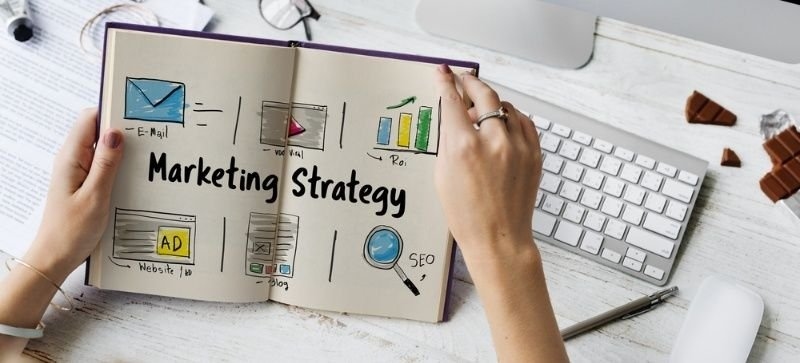
Some business owners only think about marketing when things are slow. The ones who really win at this game? They've got systems to attract new people, convert them into buyers, and keep existing customers coming back. With a real marketing plan, you can actually reach the customers you want, get your name out there, bring in better leads, keep people loyal, and boost your profits for the long haul. If you wing it, you end up just reacting to whatever comes your way.
Build Your Strategy Before You Spend
A lot of small businesses burn through money on ads before they even know who they're talking to. Stop right there. Figure out the basics:
- Who's your dream customer?
- What are you really solving for them?
- Why should they pick you over someone else?
- Where do those people hang out online?
- How will you know your marketing's actually working?
Get those answers straight, and every dollar you spend works harder for you.
10 Best Marketing Strategies for Small Businesses
1. Build a Website That Actually Converts
Your website's not just a business card. It should make people want to buy, call, book, or sign up. You need:
- Fast load times (nobody waits)
- Mobile design that works on any phone
- Easy navigation (no guesswork)
- Clear calls to action
- Real customer testimonials
- Easy-to-find contact details
Google loves sites packed with helpful, user-first info, too.
2. Invest in SEO
SEO is still king. When someone types a question into Google and your business pops up first, you win. Invest in good keywords, relevant blog posts, a local search profile, logical site structure (internal linking), and some of the less glamorous but essential technical bits like loading speed. And unlike Google ads, it'll keep going and going after the lights are out.
3. Nail Your Content Strategy
Great content gives customers a reason to trust you before they ever buy. This means:
- Educational blog posts
- Guides
- Video demos
- Case studies
- Email newsletters
- Useful downloads
The point isn't to drown people with content. It's to ANSWER their questions better than anyone else.
4. Lean Into Email Marketing
People still open emails. A lot. It's one of the highest-ROI channels around. Use it to stay in touch, not just when you're selling something. Think:
- Welcome notes
- Tips and how-to newsletters
- Personal product picks
- Seasonal deals
- Thank-you notes
Personal beats generic, every time.
5. Go Where Your Customers Actually are on Social Media
Don't try to be everywhere. Find out where your audience spends time-whether that's Facebook, Instagram, LinkedIn, TikTok, or YouTube-and focus there.
Share content that matters. Answer questions. Respond to comments. Celebrate your customers' wins. People buy from folks (and brands) they actually trust.
6. Ask for Reviews
Happy customers are your best sales team. Most people read reviews before picking a business. Good reviews = more clicks and a bump in local rankings.
Make it simple to leave a review-on Google, Yelp, or wherever matters in your industry. And always reply, good or bad. It shows you care, and it makes your business relatable.
7. Get Local Marketing Right
If your customer is the local community, then don't overlook them. Claim your free Google Business Profile listing and ensure it's always up-to-date; keep your business photos current; and attend any local events, community, and school programs to network and see how you can support and cross-promote other local businesses. You'll get seen more and build trust fast.
8. Use Paid Ads, But be Smart
Ads can send traffic your way right now, but they're not magic. Put money behind your best offers, not just every product. Platforms like Google Ads and Meta let you zero in by location or interests-make those dollars count. Always track what's actually converting sales, not just getting clicks.
9. Collaborate With Other Businesses
Teaming up with a business that shares your customer base (but isn't a competitor) is a quick win. Gyms and nutritionists, florists and photographers, you name it. A joint promo or event puts you in front of a brand new crowd-and it's cheaper than going it alone.
10. Measure Everything, All the Time
Top businesses don't just guess what's working-they know. Leverage Google Analytics, Google Search Console, and the internal insight tools from each of the platforms that you have profiles on.
Track:
- Website visits
- How many visitors take action
- Email open rates
- What it costs to get a new customer
- Return on ad spend
Small tweaks based on real numbers add up over time.
Try This: Small Business Ideas That Are Profitable in the USA in 2026
Examples of Marketing Strategies for Small Businesses
You don't have to spend big to get results. You can effectively utilize social media marketing strategies for small businesses here. Here's what works for businesses just like yours:
Local Coffee Shop
They post weekly Instagram Reels of new drinks, run a "tag a friend" giveaway, and collect emails for a loyalty program. That's social media, email marketing, and customer loyalty-all in one shot.
Home Service Pro
A plumber boosts local SEO with an up-to-date Google Business Profile, gathers customer reviews, and publishes blog posts on fast plumbing fixes. That pushes them toward the top in local search.
Online Boutique
A small clothing shop rolls out seasonal style guides, partners with micro-influencers, and sends "abandoned cart" emails to rescue missing sales. These moves combine to drive more traffic and orders-paid ads are just a bonus.
You'll notice no one's betting everything on just one channel.
Common Mistakes Small Businesses Should Ditch
Here's where people trip up:
Trying to Talk to Everyone
Niche down-know your ideal customer and go after them. Generic messages just get lost.
Ignoring SEO
Paid ads might score you clicks fast, but they're expensive. SEO brings in buyers consistently and more cheaply over time.
Random Posting
Spraying out random social posts gets you nowhere. Map out what you're sharing and why.
Not Tracking Results
If you don't know how you're doing, you can't improve. Always be measuring and adjusting.
Forgetting Existing Customers
Getting new customers is expensive. Keep the old ones happy. Loyalty perks, personal emails, and great service keep them coming back-and telling their friends.
Must Try: 41 Great Small Business Ideas 2026 to Start Right Now
Conclusion
Winning at small business marketing doesn't have to cost a fortune or leave you exhausted. Ultimately, it's all about knowing your customers, earning their trust through great content, being authentic, and monitoring what works. Pick a handful of strategies that match your strengths and audience, and do them well. Step by step, that's how you grow. Stick with it; keep improving, and those tiny wins will add up-your brand gets stronger, your customers stick around, and your sales go up. Start with a thoughtful plan and keep an open mind, and you'll surprise yourself with what's possible.
Start Building Your Marketing Strategy. Success doesn't just show up. Set your sights on who you want to reach, use the channels that matter, solve real problems with your content, and keep score as you go. Every smart decision you make today builds real connections and puts you that much closer to lasting growth.
Frequently Asked Questions
How Much Should a Small Business Spend on Marketing?
Most experts suggest you allocate around 7-8% of your gross revenue to marketing if you're under $5 million per year and have solid profit margins. If you're new, plan on spending more up front to get the word out.
How Long Does it Take to See Results From Digital Marketing?
Depends on the approach. But generally, digital marketing strategies for small businesses work well with paid ads kicking in quickly-you'll see traffic in days. SEO and content marketing strategy for small businesses takes longer (think 3-6 months or more), but the payoff lasts. Stick with it. Businesses that keep working their plan almost always pull ahead.
Should Small Businesses Focus More on Online or Offline Marketing?
It comes down to your customers and what you sell. These days, having a strong digital presence-a website, SEO, email, and social media-is pretty much required. Local events, partnerships, and print materials can still make a difference if your buyers are close by. Usually, a smart mix of both works best.
This content was created by AI